15 Minutes With R. F. Kuang
The writer Rebecca F. Kuang’s resumé is undeniably impressive. She is the author of six best-selling novels, including Yellowface and Babel. She has degrees from Georgetown, Cambridge and Oxford universities. She is currently studying for a PhD in East Asian Languages and Literature at Yale. She has just turned 30.
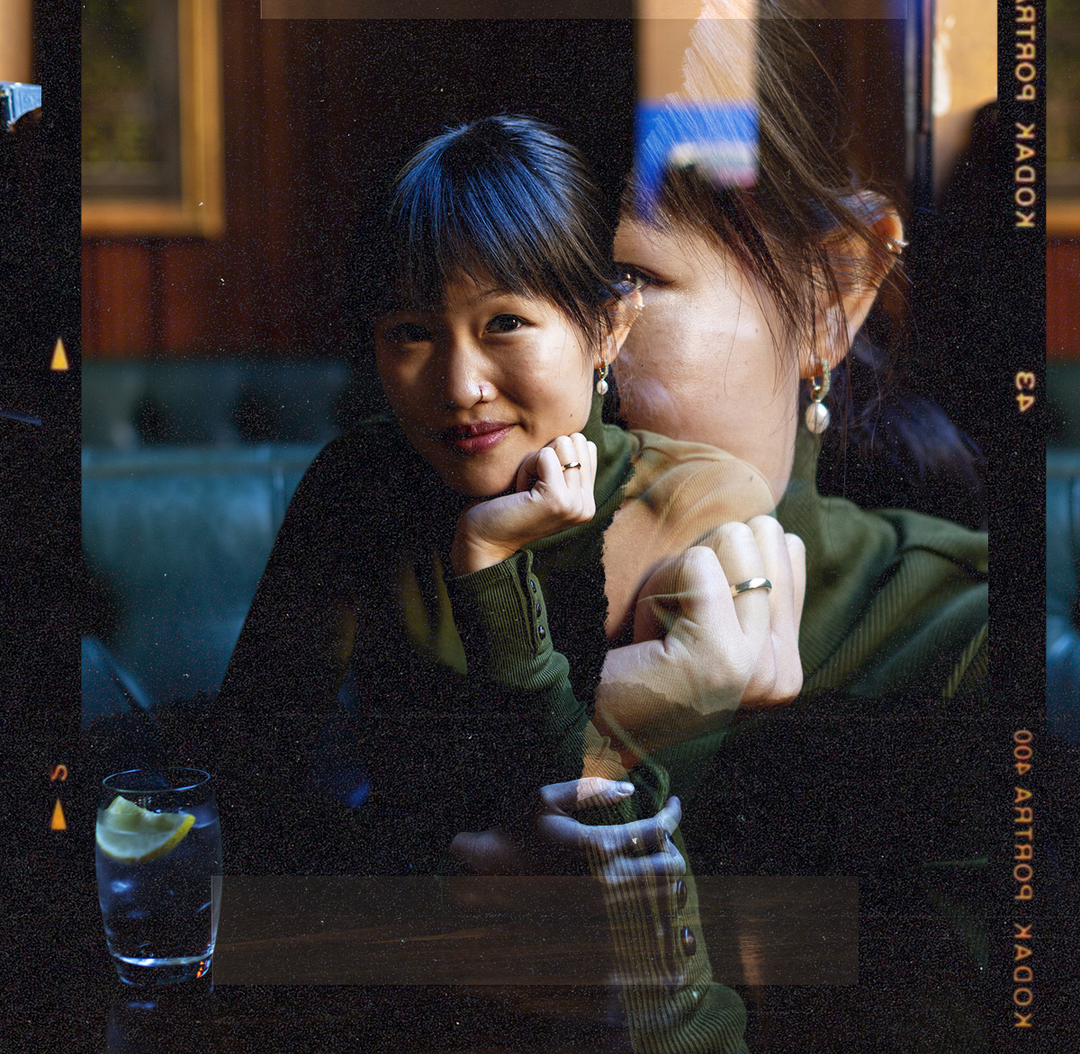
Given all this, you could forgive Kuang for being cocky (certainly people have puffed themselves up on far less). Delightfully, she is quite the opposite; generous, warm, unpretentious and even self-deprecating in conversation. Kuang is a reminder that there is a distinct difference between confidence and arrogance.
Kuang’s seventh novel, Taipei Story, was released in September. Her most personal yet, it is a coming-of-age story, following Yale student Lily Chen one formative summer in Taipei. Intimate, funny and clever, the novel is a triumph. Rather than basking in the moment, however, Kuang can’t wait to get back to what she loves doing most, ‘tinkering’ on her next manuscript ‘the phase when it's messy, and you can still make a million changes, and a million choices still have to be made’.
That next work is a retelling of Faust. ‘It's time to do something big and ambitious and difficult like that,’ she says. ‘Every day I wake up and I'm like teetering on the tightrope and I have to remind myself: look ahead, don't look down’.
On how she does it…
I don’t feel like I’m doing that well getting it all done. I'm behind on my dissertation, I'm struggling to meet all my deadlines, I'm always frantically apologising for being late at emails. I always feel like I'm underwater. But just short of drowning is where I prefer to be. I like to be so frenetically busy because I go really stir crazy if there's nothing on my plate. I think it's a huge privilege to have so many opportunities and be so busy.
On creative confidence…
I teeter between paralysing insecurity, [thinking] that everything I've ever written is total rubbish, and this maniacal, deluded conviction that this is a masterpiece and when I'm done it's going to be the greatest book that's ever been written. I’m in the former more often than I’m in the latter. There's a similar crisis of faith that comes with tackling every single creative project. And I think that fear is a good place to be, feeling like you've bitten off more than you can chew. If you're like “oh, I could do this in my sleep”, you're not pushing yourself to the next level.
On outside noise…
I never want to be thinking about what reviewers are going to say. The most boring possible thing to think about is your own reputation. That just hamstrings your creative boldness. I only want to be daring to take the really big swings. I could fall flat on my face but at least then I wouldn't have produced something that is safe and easy and easily forgotten.
On self-doubt…
When I have self-doubt, I can't make it go away. But I can say, “okay, suppose [it’s] true, suppose all of the seven books I've written before are just total crap. I've been put in this position. The only thing to do is create something that is good”. So you sprint forward, and you don't look backwards. Writing is one of the few professions where you only get better as you get older, as you get more experience, learn more viewpoints, read more. I'm only 30 now. I hope I'm doing the worst writing that I will in my entire life.
I'm not superhuman, right? I have my moments of weakness and vulnerability but that's for my therapist. That is not for my art.
On writing as a “gift”…
It's so unhelpful to say “sometimes you just hear the muse” [or] “sometimes you just have a knack for language”. Then you've glorified writing into this thing that can't be explained or improved upon, a magical talent. And any working writer will tell you that's really silly. There are all these identifiable, trainable aspects of your craft that you can work on over time. Maybe not everybody's gonna be Ariana Grande, but everybody can learn to sing in tune.
On the inspiration for Taipei Story…
I was in Taiwan on a study abroad programme, and I was trying to polish my Chinese for the same exact reasons that Lily wants to learn Chinese, which is to communicate with her grandparents. I was a lot closer to my grandparents, and I knew that they had lived such a fascinating, and at times tragic, at times wonderful life through all the vicissitudes of 20th century Chinese history, like so many other families in China. I really wanted to chronicle their lives and their journeys, and I had so many chances to do those interviews, but I kept putting them off because I still felt like I was embarrassing myself in Chinese, and I wanted to be there to meet the emotional gravity of the conversation. Then I lost my chance. And now I never get to have those conversations.
My family grieved for a long time. After some time passed, I realised I can't write my grandfather's life as he would have told it, but I can write something that tries to reach into that abyss and tries to speak to this fumbling, and failed, but still earnest attempt to communicate. I think it's the effort to reach out at all that matters most.
On grief…
Grief can be a blessing in that you remember we just don't have that long with each other, and there's so much nonsense that doesn't matter. I'm just here to enjoy the time I have with the people I love and everything else is noise.
On advice to someone starting a creative project…
You have to give yourself whatever the opposite of imposter syndrome is. Tell yourself, somebody out there who's way worse at this than I am. Mediocre art comes all the time, so I might as well give it my best shot.
I say to my students “you have to protect your focus”. We're all under siege of just a barrage of short form, shallow, addictive content. There’s this craving for immediate results; let me just toss something out there. But with art – whether that's writing a novel or composing musical or writing an album or whatever – you have to cook on your own in private for a long time and not need that instant gratification. So I think my advice is learn to sit by yourself. Don't create for instant response, create art that <you> can judge as valuable and complex and interesting.
On getting over yourself…
One of my biggest convictions as a teacher is that shame and embarrassment and humiliation are fantastic pedagogical tools. Not in the sense of making a kid go stand in the corner, but rather just getting over yourself. As I cross into my 30s, “get over yourself” is one of the life mottos I keep coming back to. It just doesn't matter that people in the classroom think you're smart. It doesn't matter that you say the right things. It matters that you make all the mistakes so that you can learn.
Edited and condensed for clarity.
It’s good to share
Reflection Pad
Your anonymous and safe space to share what G Ode has sparked for you. Although we can’t reply to you directly, we read all submissions.
More from Issue 02 - The Power of Worth